
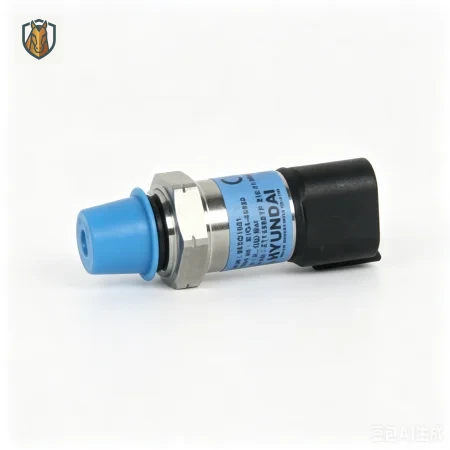
Pressure Sensor 31Q4-40820
High-Precision Hydraulic Monitoring for 9-Series Performance
The Hyundai 31Q4-40820 is a high-precision pressure sensor designed to monitor hydraulic system pressures in your 9-series excavators. By converting hydraulic pressure into accurate electrical signals for the Machine Control Unit (MCU), this sensor allows the excavator to dynamically adjust hydraulic flow and engine output. This real-time data feedback is essential for maintaining smooth operation, protecting the hydraulic pump from overload, and ensuring the machine delivers maximum breakout force precisely when needed.
1. Technical Specifications
| Parameter | Detail |
|---|---|
| Part Number | 31Q4-40820 |
| Component Type | Pressure Sensor (Transducer) |
| Primary Function | Measures hydraulic pressure and sends feedback to the MCU to regulate system power |
| Compatibility | Specifically engineered for the extensive 9-series Hyundai excavator lineup |
2. How Hydraulic Sensors Work
The pressure sensor utilizes a diaphragm-based strain gauge. As hydraulic oil exerts pressure against the diaphragm, the internal electrical resistance changes. This change is converted into a voltage signal (typically 0–5V) that the onboard computer interprets to monitor real-time pressure levels, ensuring the system operates within safe, optimal parameters.
3. Machine Compatibility
Engineered for reliable service in heavy-duty machinery:
Hyundai Models: R225LC-9 (4#~), R225LC-9V, R265LC-9, R305LC-9, R335LC-9, R335LC-9T, R350LC-9V, R385LC-9, R385LC-9T, R385LC-9V, R485LC-9, R485LC-9T, R485LC-9V, R805LC-9, and related configurations.
System Synergy: Provides the critical "eyes" for your machine's hydraulic logic, enabling features like power management, overload protection, and precise control response.
4. Maintenance & Installation Protocols
Service Interval: Replace as needed when sensor output becomes erratic or the control system reports a pressure-related fault code.
Diagnostic Indicators: Replace if you notice sluggish hydraulic performance, frequent "sensor fault" error codes on the dash, or if the sensor body leaks hydraulic fluid.
Installation Tip: Always ensure the hydraulic threads are free of debris before installation. Use proper torque to seat the sensor—over-tightening can damage the internal diaphragm, while under-tightening may lead to high-pressure leaks.
5. Technical Support & Logistics
Supplier: Xuzhou Sinoswift Import & Export Co., Ltd.
WhatsApp: +86 13701956981
Email: [email protected]